Safe and Sound Protocol (SSP) in Centreville, VA
Safe and Sound Protocol
Led by Beth Lang, Licensed Professional Counselor |
VA LPC #0701006399

Your teen might look fine on the outside. But you know something's off.
You have done the work. Therapy, occupational support, accommodations at school, maybe medication. Some of it has helped. Your child is making progress in certain areas. But underneath the progress, something still feels off.
Maybe they are still on edge more than they should be. Maybe loud sounds still send them over the edge. Maybe they still cannot settle at the end of the day, no matter how much structure you put in place. Maybe you can see them trying so hard to hold it together and you know how much energy it is costing them.
You are not imagining it. When the nervous system is stuck in a defensive state, no amount of talking or thinking changes that. It needs something different.
That's what Safe and Sound Protocol is for.
What Is Safe and Sound Protocol?
The Safe and Sound Protocol, or SSP, is an evidence-based listening therapy developed by Dr. Stephen Porges, the neuroscientist behind Polyvagal theory. It uses specially filtered music to send cues of safety to the nervous system through sound.
Here is the simplest way I explain it to families. Our nervous system is always scanning for signals of safety or danger. For some people, especially neurodivergent kids and anyone who has experienced trauma or chronic stress, that system gets stuck in defense mode. The body stays on alert even when there is no actual threat. That shows up as anxiety, sensory sensitivities, trouble sleeping, difficulty concentrating, and struggles with emotional regulation and social connection.
How Does it Work?
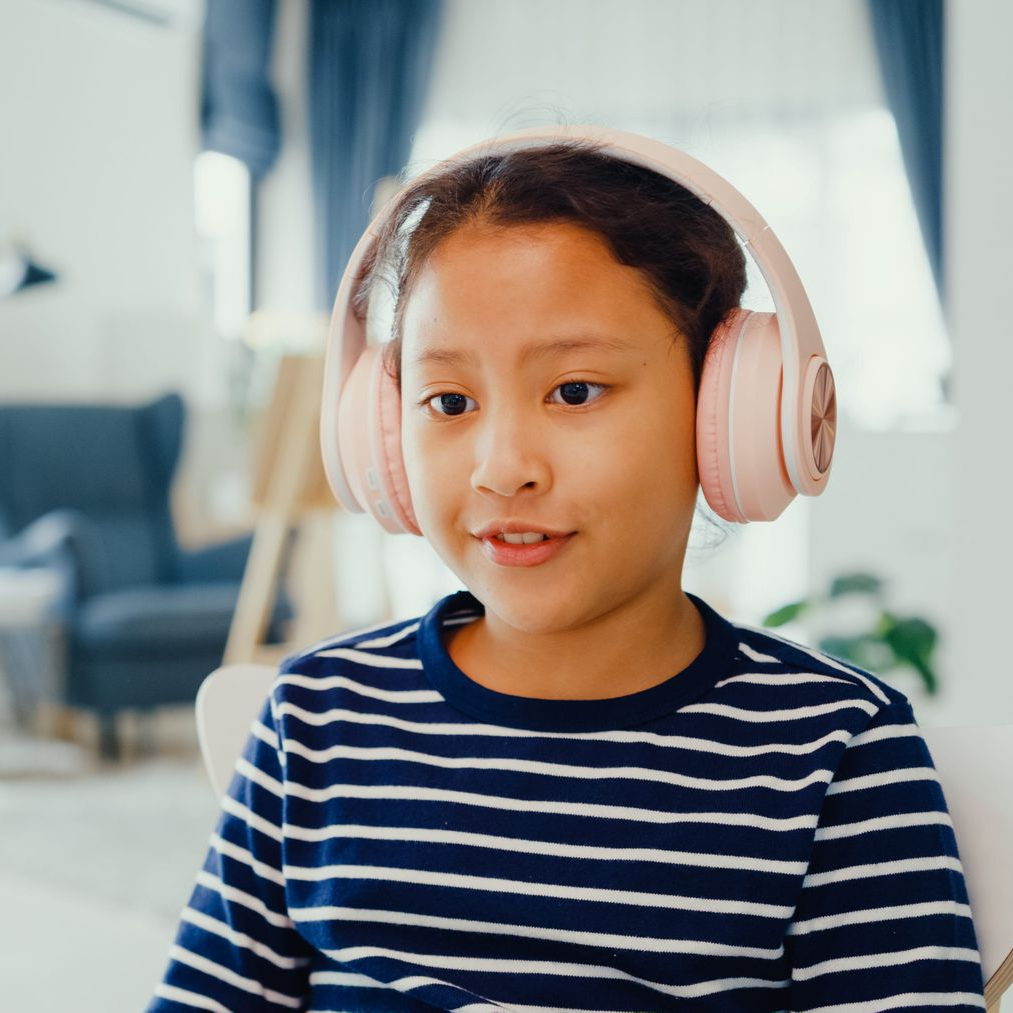
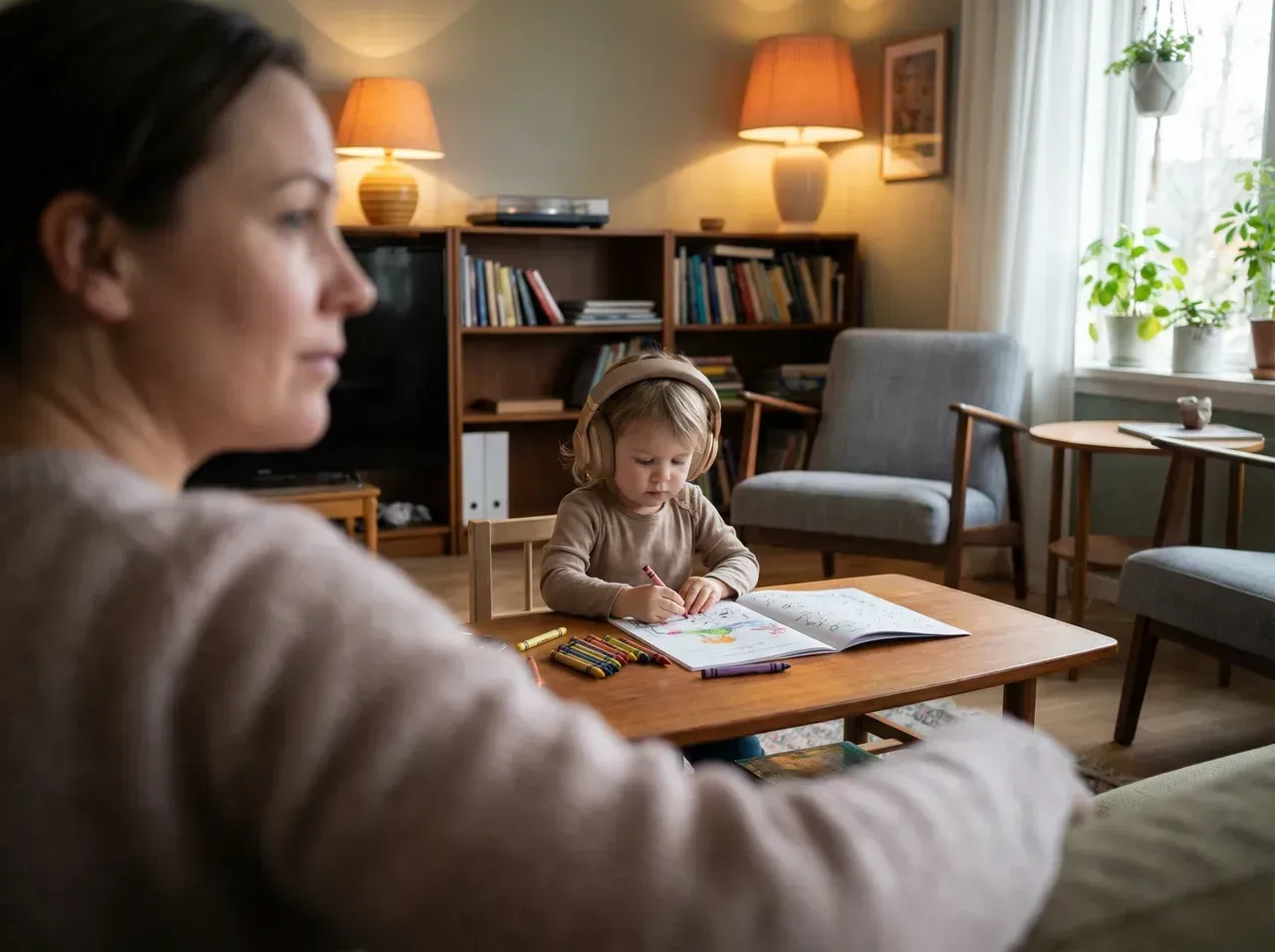
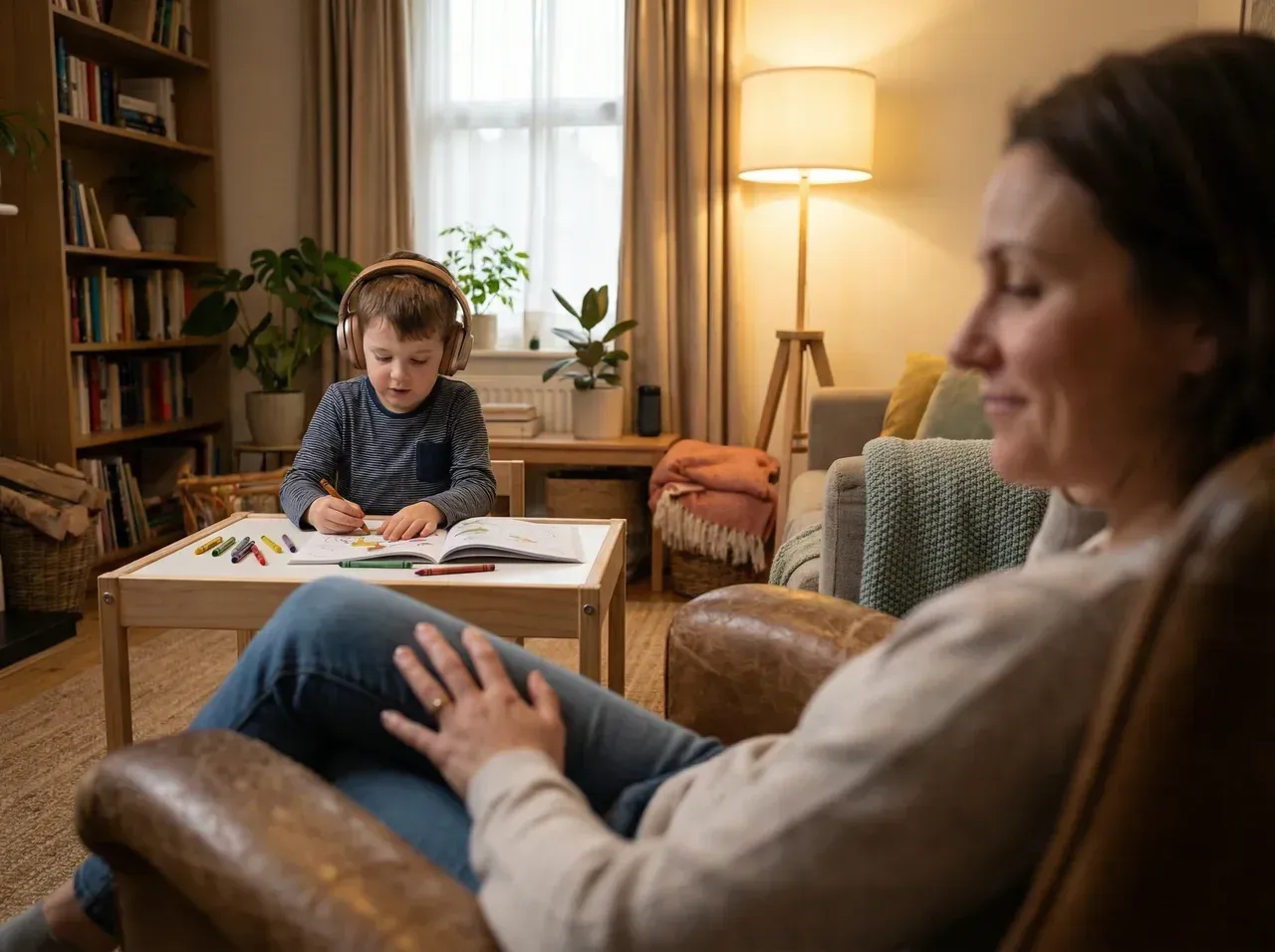
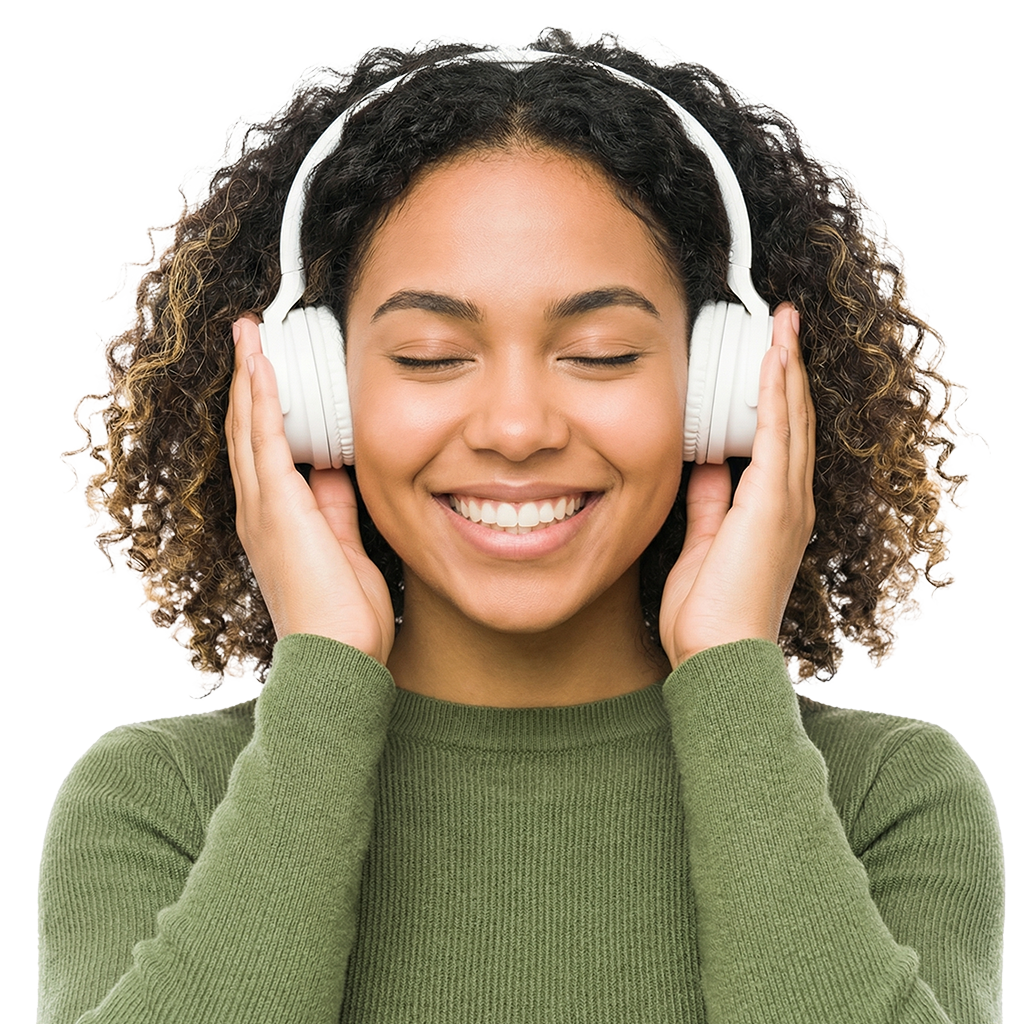
The SSP works by highlighting specific sound frequencies in the music that are similar to the human voice. As your child listens, those frequencies help retune the nervous system toward a state of safety. You do not have to do anything during the listening. Just put on the headphones and let the music do its work.
The SSP has been used with over 100,000 children, adolescents, and adults in more than 70 countries. It is not a replacement for therapy. It is something that can support the work you are already doing by addressing what is happening at the nervous system level.
The Safe and Sound Protocol™ is developed by Unyte Health. Learn more at WhatIsTheSSP.com.
About Beth Lang
I work primarily with neurodivergent children and teens. That matters for SSP because how the protocol is delivered, the pacing, the environment, the way I read a child's response during the process, is shaped by understanding how their nervous system works in the first place.
I got certified in SSP because too many of my clients were doing solid work in therapy but their bodies were still stuck on high alert. The skills were there. The regulation was not. Training in Polyvagal theory and SSP gave me a way to address that layer directly.
What I bring to SSP delivery:
Over a decade working with neurodivergent kids and families. A deep understanding of sensory processing, emotional regulation, and how the autonomic nervous system shows up in everyday life. The clinical judgment to know when SSP is the right fit and when it is not.
I do not recommend SSP for every client. If it is not the right fit for your child, I will tell you that.
Who Safe and Sound Protocol can Help
The Safe and Sound Protocol may be helpful for children, teens, and adults who experience challenges related to nervous system regulation. In my practice, I most often recommend it for children, teens or adults dealing with:
Have anxiety or a nervous system that seems to run on high alert
Are neurodivergent — ADHD, autism spectrum, or sensory processing differences
Struggle to focus or regulate their emotions in busy environments
Find social connection difficult or exhausting
Have been through stressful or overwhelming experiences and haven't fully settled since
Are already in therapy but feel stuck, or plateau'd
Program Options
Guided Plan: $900
- Full 90-minute intake
- One year Unyte app subscription
- 10 to 15 weeks of listening (in office, online, or both)
- Five 20-minute check-ins
- Digital toolkit
- Best for first-time SSP users
Self-Paced Plan: $600
- Full 90-minute intake
- One year Unyte app subscription
- Introductory video
- One midway check-in
- Best for independent listeners or those completing a second cycle
Full Support Plan: $1,200
- Full 90-minute intake
- One year Unyte app subscription
- Five 45-minute check-ins
- Full Connect, Core, and Balance cycle over 15 weeks
- Priority scheduling
- The most comprehensive option.

Empowering Preteens, Teens and Young Adults with Compassionate Care
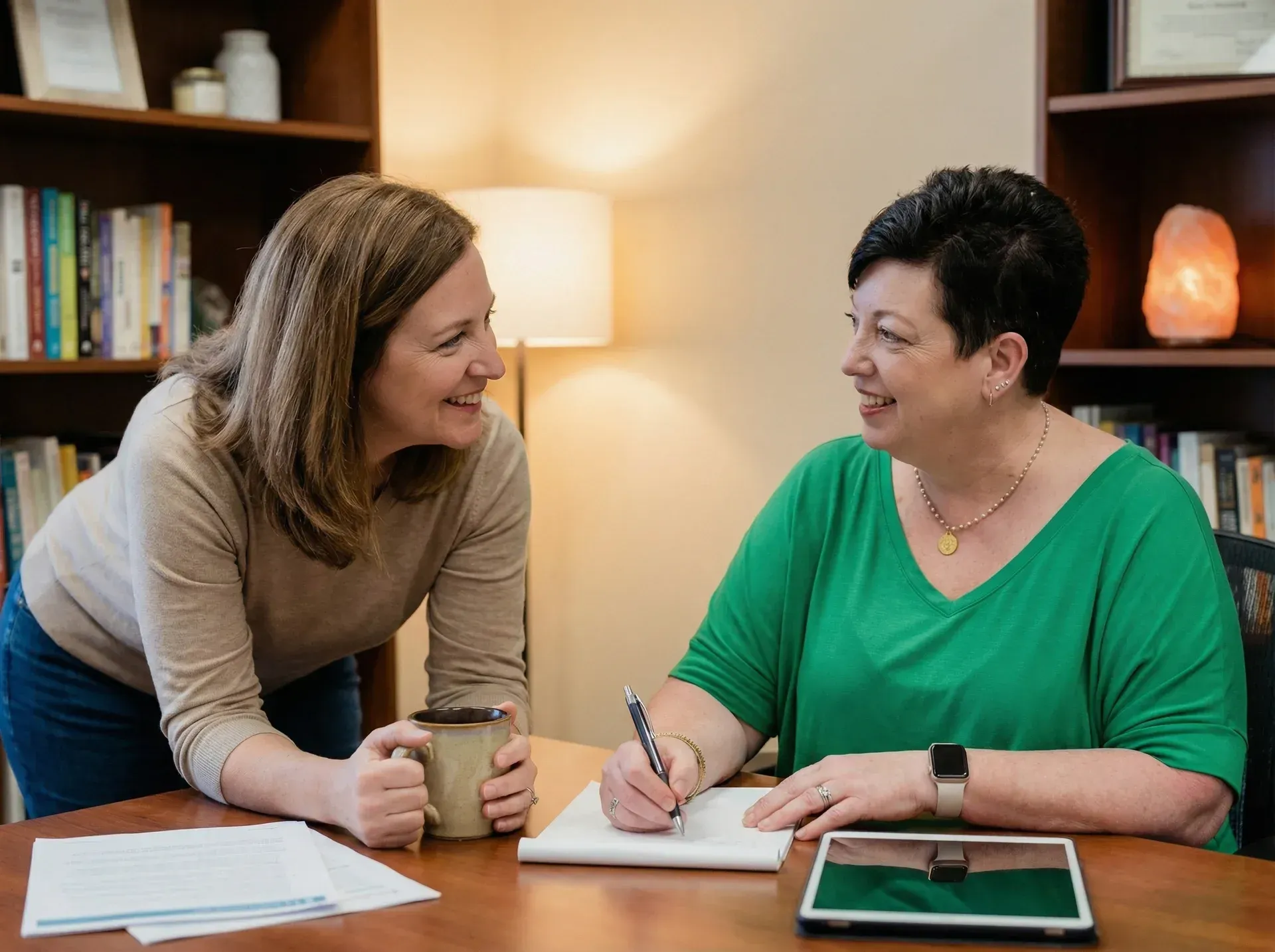
Imagine a future where you feel confident and in control, where your unique strengths help you navigate life's challenges with ease. With Creative Connections, I can help you can achieve real personal growth and improve your relationships. Picture yourself embracing new opportunities, feeling supported, and celebrating your progress every step of the way.
Take the first step towards this brighter future by reaching out for individual counseling. Let's work together to uncover your strengths and build the skills you need to thrive. Book your free consultation today to start your journey towards a more fulfilling and empowered life.
Watch Pure Listening: An SSP Listening Session
An SSP Listening Session" showing an actual remote SSP session between a provider and a client.
Video courtesy of Unyte Health, learn more at unyte.com
Questions Parents Often Ask
Questions I Hear Most About SSP
Is SSP the same as music therapy?
No. Music therapy involves active participation, like playing or singing. SSP is passive. Your child listens to filtered music through headphones. The music has been processed through a patented algorithm to highlight specific frequencies. There is no performing, no practicing, and no pressure.
Can my child do SSP at home or does it have to be in the office?
Both are options. Some families prefer in-office listening, some prefer home, and some do a combination. We figure out what works best during the intake session.
How long does a full SSP cycle take?
Most families complete a full cycle in 10 to 15 weeks. The pace depends on your child. Some kids do well with longer listening sessions and move through it faster. Others need shorter sessions spread over more time. I adjust based on how they are responding.
Is SSP safe for young children?
The SSP has been used with children as young as 18 months. I tailor the delivery to the child's age and needs. For very young children, the music can be played through speakers instead of headphones.
Can someone do SSP if they have a hearing aid or cochlear implant?
This is a question I get from time to time. It depends on the specific situation. Reach out and we can talk through whether SSP is a good fit.
Disclaimer
The Safe and Sound Protocol™ (SSP) is not an FDA-approved therapy or treatment. The FDA has not reviewed these statements or claims. This information is regarding general health and wellness and is not intended to provide medical advice. We encourage you to consult with your medical provider regarding recovery from health conditions.
Book Your Free Consultation Now!
You do not need to commit to a plan before we talk. If you are curious about whether SSP could help your child, a free consultation is a good place to start.