In-Person Social Skills Groups for Pre-Teens, Teens, and Young Adults in Centreville, VA
Social Skills Groups
Led by Beth Lang, Licensed Professional Counselor |
VA LPC #0701006399
The Connection Lab
Designed for helping middle school students find their people, The Connection Lab at Creative Connections, PLLC is a safe place to navigate meeting new peers and making friends under our guided neurodiversity affirming support.
Currently taking registrations for our Fall 2026 - 2027 age 11-13 cohort that begins on 9/19/26.
When Your Child Wants to Connect but Does Not Know How
You have watched it happen more times than you can count. Your child standing at the edge of a group, wanting to join but not knowing how to break in. Or sitting next to another kid and having no idea what to say. Or coming home from school and going straight to their room without a word about their day.
You have tried to help. You have coached them before birthday parties. You have set up playdates and hoped for the best. You have said things like "just ask them a question" knowing it is not that simple for your kid.
The invitations slow down. The phone stops ringing. And you start to wonder if this is just going to keep getting harder as they get older.

Where Pre-Teens, Teens and Young Adults Learn Social Skills and Then Practice Them for Real
These small groups are divided into age leveled groups (571) 583-5210, 13-15, 16-18, 19 plus). Each of these groups is a two-phase program. That is what makes it different from most social skills groups.
- Phase one is the training. Six to eight group members meet once a week on Saturdays for one hour. We sit around the table and work through real social skills together. Sentence starters. How to keep a conversation going. How to ask a follow-up question. How to read the room when something is not landing. It is interactive. We use games and activities, and we coach them through it in the moment so they are learning by doing, not just listening.
- Phase two is where it gets real. Every two weeks, over 2 months, the same group comes back for a social gathering. Pizza night. Game night. Cards. An hour and a half of actual socializing in a low-pressure setting. The difference is that now they have the skills. And I am still there, still guiding, but stepping back a little more each time.
You have to learn the skills before you can practice them. That is the whole idea. The training gives them tools. The gatherings give them a place to use those tools with kids who are working on the same things. Over time, they get more comfortable doing it on their own. That is the goal.
Is This Group Right for Your Child?
This group is for pre-teens, teens, and young adults who struggle with the social part of life. You might recognize some of this.
- Your child has been diagnosed with ADHD, autism, or a learning difference that affects how they interact with others
- You suspect your child may be neurodivergent but do not have a formal diagnosis
- They have trouble starting conversations or keeping them going
- They miss social cues or misread body language
- They have lost friendships or stopped trying to make new ones
- They get overwhelmed in group settings and tend to pull away
- They want to connect with other kids but do not know how
If your child has been struggling with this for a while and the things you have tried have not stuck, this group is built for exactly that kid.
The Connection Lab
Two types. One for school aged students, one for post high school students.
Social Skills Development Cohorts
- Ages Groups: 11-17
- Day: Saturdays
- Duration: 90 minutes per session
- Length: 10 weekly sessions
- Size: 6-8 group members
- Format: Structured curriculum with games and guided activities within age based small groups.
- Snacks and materials included!
Social Gatherings
- Ages: 18 - 23 (post high school students)
- Day: Wednesday evenings, 7 - 8:30 pm
- Duration: 90 minutes per session
- Length: year long
- Size: 6-8 group members
- Format: In person/ in office Pizza night, game night, or off-site group activity chosen by group members and implemented with guided supervision.
You do not need to have every answer before reaching out. If your child struggles socially and you have been looking for something that might actually help, let's talk about it.
What a Session Looks Like
Training sessions follow the same structure every week. That consistency matters for kids who do better when they know what to expect. After every session, your child gets a take-home sheet so you know what we covered.
When you arrive:
Why I Started Social Skills Groups
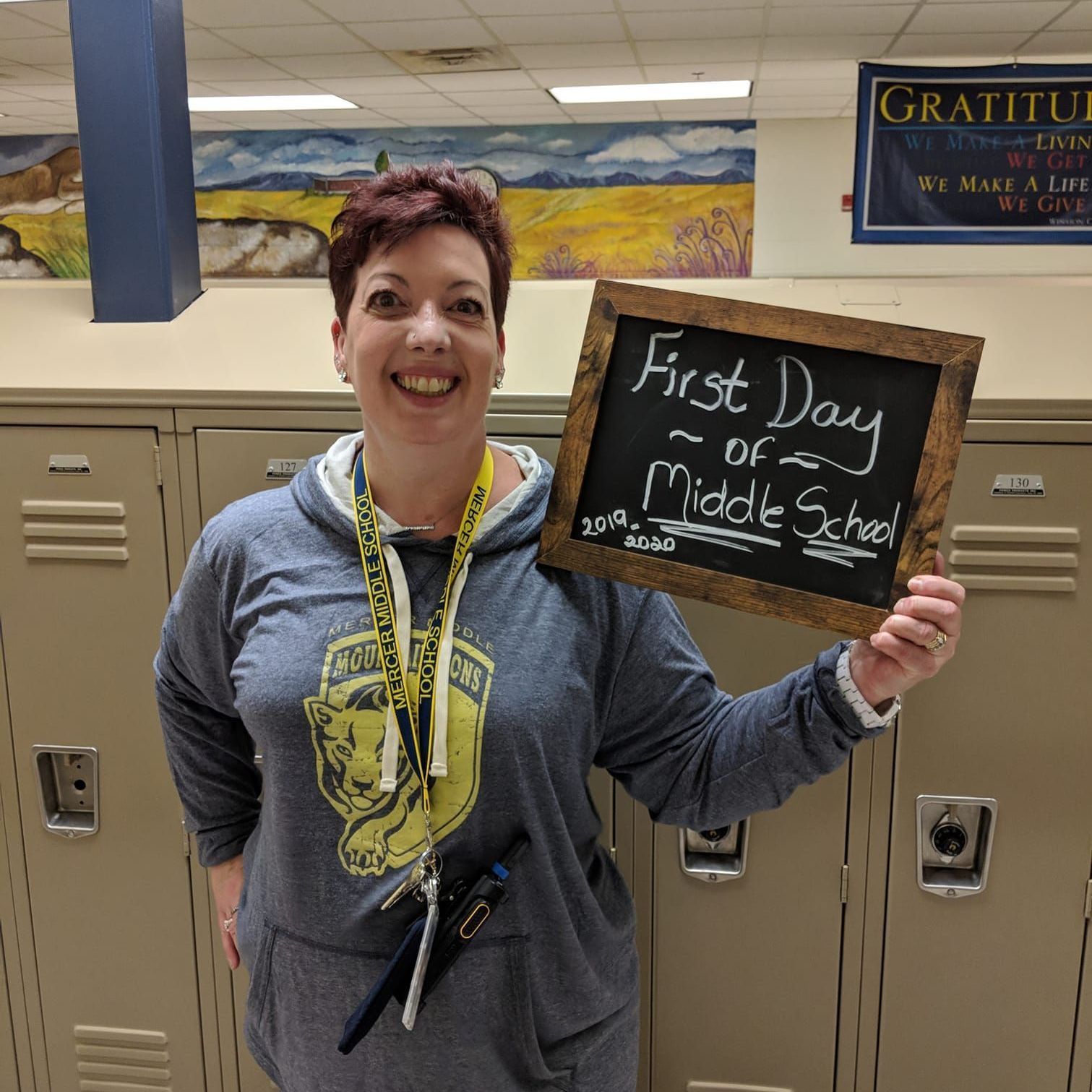
Beth Lang, LPC | Licensed Professional Counselor | Centreville, VA
Parents ask me about this all the time. They come in for individual counseling and at some point they say the same thing: is there somewhere my kid can actually practice being around other kids? Not just talk about it in a session. Actually do it.
For a long time, I did not have a good answer for them. Most social skills programs teach the skills in a classroom setting and then send the student home. The problem is that knowing what to say and being able to say it in the moment are two completely different things. Especially for neurodivergent kids. They can memorize a conversation starter. That does not mean they can use it at lunch on Monday or at a college campus.
That is why I built this group in two phases. The training gives them the tools. The gatherings give them a real place to use those tools, with others who are working on the same things, in a setting that feels more like hanging out than therapy.
I have watched students come into this program barely making eye contact and leave asking to meet up with each on the weekend. That is the part I keep coming back to. Not the curriculum. The moment someone realizes they actually can do this.
Questions Parents Often Ask
If you are wondering whether or not a Social Skills group is the right fit for your child, you are not the first. Here are the questions we hear most.
Does my child need a diagnosis to join?
These Social Skills groups are geared towards individuals who have a diagnosis like ADHD, Social Anxiety or Autism. If your child struggles to make or keep friends, has a hard time reading social situations, or gets overwhelmed in group settings, this group may be a good fit.
If your child does not have a diagnosis and you are seeing that they are struggling with social confidence, please see our Social Confidence Groups under our Coaching services page.
What is the difference between the training sessions and the social gatherings?
Honestly, most parents tell me their child was nervous beforehand. That's pretty normal. The groups are small on purpose — six to eight kids — so it never feels like a crowded room where your child could get lost. We start every session with icebreakers and low-pressure activities that let kids ease in at their own speed. I've watched kids who barely made eye contact on day one become the ones cracking jokes by session three. They usually surprise you.
What if my child is too shy or anxious to participate?
That is honestly the kid this group is built for. The sessions start with warm-up games so no one is sitting in silence figuring out what to do. The group is small. Six to eight kids. And I am right there coaching them through it in the moment. Most parents tell me their child was anxious before the first session and settled in faster than they expected. These kids tend to relax when they realize everyone in the room is working on the same thing.
How long does the program take and what happens after?
The training phase is six to eight weekly sessions. After that, the social gatherings continue every two weeks for as long as the group wants to keep meeting. Some kids stay in the gathering phase for months because the social practice is what they need most. Others move on when they feel ready. We figure out the right timeline together based on your child.
Location
Creative Connections
14631 Lee Highway, Suite 212
Centreville, VA 20121
Schedule
Session dates are announced as new cohorts form. Contact Beth to learn about upcoming groups and add your child to the interest list.
Contact Me Today
You have been trying to help your child with this for a while. The coaching before parties, the playdates you set up hoping it would click, the conversations in the car where you tried to find the right thing to say. You have done more than you think. Now let someone come alongside you and give your child a place where they can actually practice. Or Find us on the Life Groups and Classes Directory